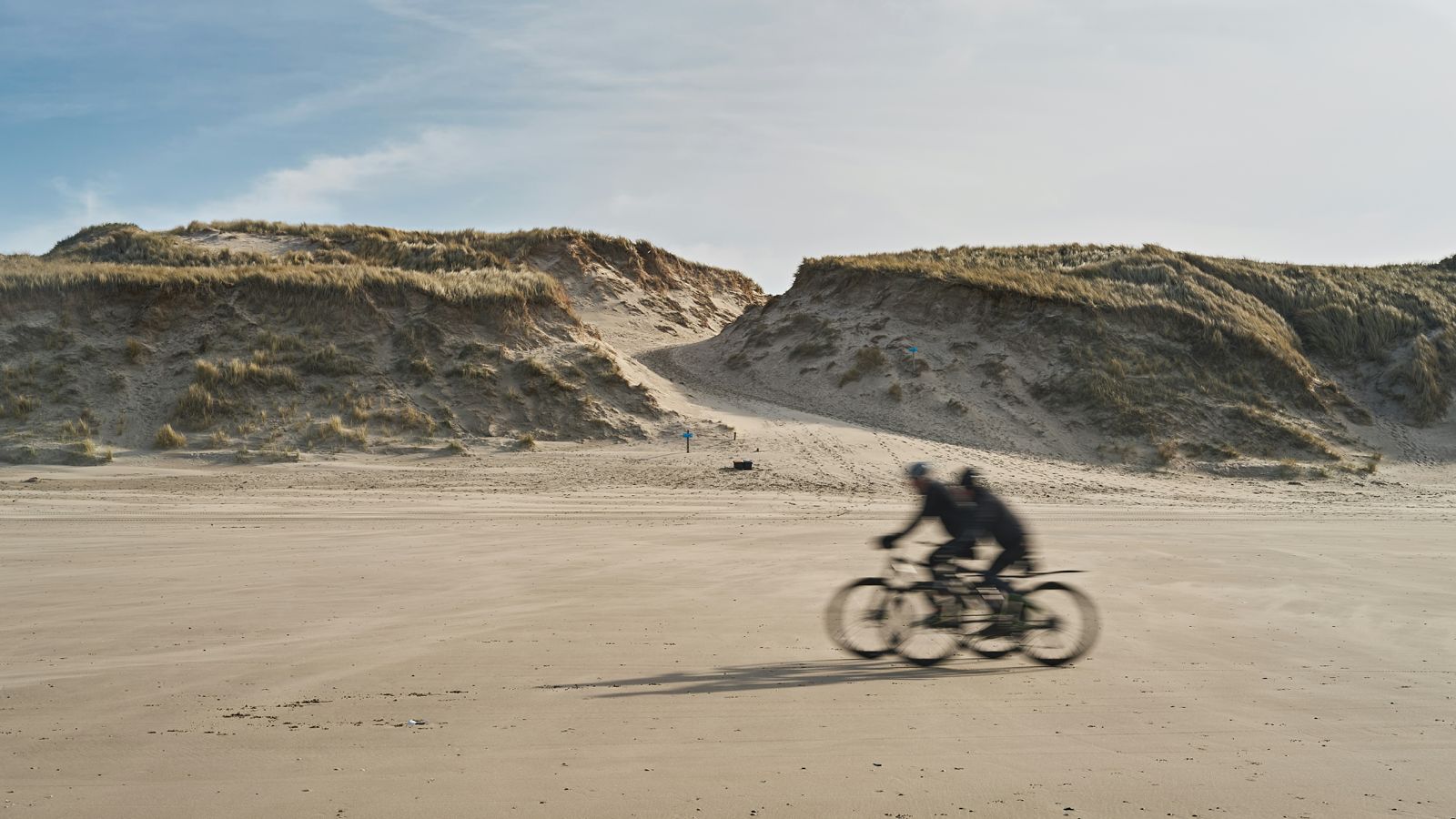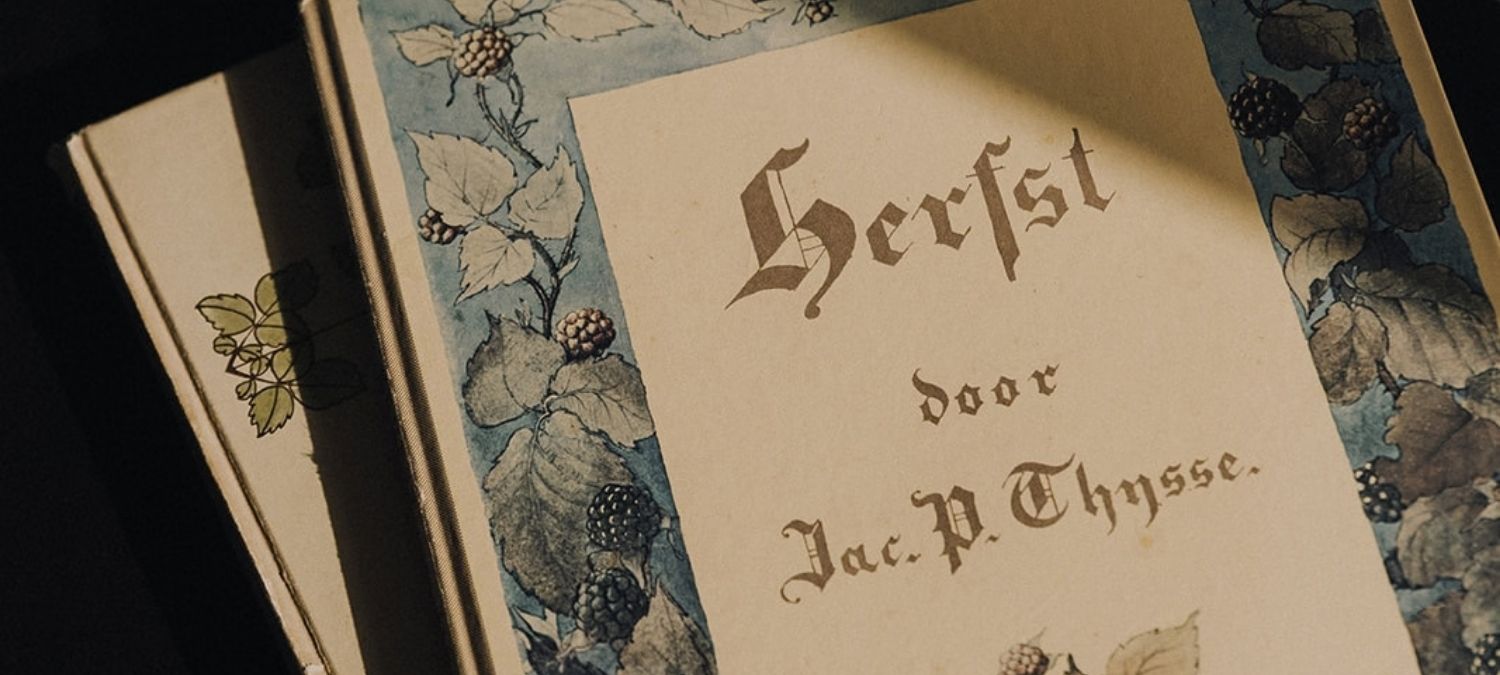
Where can you still walk in the footsteps of Jac. P. Thijsse? Right here, in the dunes around Bloemendaal. The Dutch naturalist made Bloemendaal his home, and the dunes he loved are now protected as Nationaal Park Zuid-Kennemerland, a status he campaigned for during his lifetime. Two places bring you closest to him: the open Kennemerduinen, where small groups of pines he once recommended still crown the dune tops, and Thijsse's Hof, the garden the village gave him for his sixtieth birthday.
From our terrace you look out over the North Sea, with dunes on every side. Blendin Bloemendaal was designed with Thijsse's work in mind, so it feels only right to send you out into his landscape.
Who was Thijsse, and why do these dunes owe him so much?
Jacobus Pieter Thijsse, Co to his friends, was a teacher and biologist. He helped save the Naardermeer lake, co-founded Natuurmonumenten, the Dutch society that still looks after nature reserves across the country, and wrote the Verkade albums: collectible picture books from the Dutch biscuit maker Verkade that taught generations to recognise birds and flowers.
His real talent was enthusiasm. He believed that people who learn to see nature will want to protect it. A year before he died, he wrote a plea to turn the dunes between Bloemendaal and the North Sea Canal into a national park. Within a few years of his death, De Kennemerduinen became one, and it later became part of the national park you walk through today.
What should you look for in the Kennemerduinen?
Look up at the dune tops for small, dark clumps of Corsican pine. They're called Thijssebosjes, Thijsse's little woods. In the early twentieth century, people wanted to stop the sand from drifting, and Thijsse advised planting pines in small groups on the tops. They're still there, and birds and plants make good use of them, as this walk map from the nature organisation IVN (in Dutch) explains.
The thinking has turned since then: today, wind and grazers such as konik horses and Scottish Highland cattle may set parts of the dunes drifting again. It fits his own words, though. In his plea for the park he wrote that a landscape left to its natural course beats anything a designer could make.
Keep to the marked paths and leave the narrow animal tracks to the deer, rabbits and grazers. Ground-nesting birds need the quiet, especially in spring, when some paths close for the breeding season. One small tip: check yourself for ticks when you're back.
In autumn the same paths fill with mushrooms and migrating birds; our piece on why autumn is the best season by the sea tells you what to spot. Prefer to cover more ground? The Heritage to Horizon Cycle Trail loops through the same national park.
Why is Thijsse's Hof worth the detour?
On the other side of the dunes, in the woods of Bloemendaal village, lies the garden Bloemendaal gave Thijsse for his sixtieth birthday. Asked what he would like, he hinted that an unused patch of land could shelter the region's threatened wild plants. Thijsse opened it himself and looked after it until his death.
Thijsse's Hof is the oldest heemtuin in the Netherlands, a garden that grows only plants native to the area, and today it is a national monument. In about two hectares you walk through a miniature version of the dunes outside: dune forest, scrub, heath, grassland and a pond in the middle. More than 500 plant species grow here. Thijsse insisted the labels be in Dutch rather than Latin, so anyone could read them. Bring a translation app and enjoy the puzzle.
Find a bench by the pond. In spring the birdsong is loud; on a quiet winter day a flock of siskins might hang from the alder cones. The house rules come from Thijsse himself: stay on the paths and pick nothing, so every visitor can see the plants up close.
How do you end a day in Thijsse's footsteps?
By heading back to the sea. On the walk back the trees thin out, the wind picks up and the North Sea appears. At Blendin Bloemendaal, our boutique hotel on the dunes, the rooms look out over the sea or the dunes, the landscape you've just walked through.
Fancy dinner close to home? The Blonde is just downstairs. Blendin Bloemendaal, restaurant The Blonde included, has been selected for the MICHELIN Guide, and a hotel's connection to its surroundings is one of the things the inspectors look at.
Good to know before you set off
Nationaal Park Zuid-Kennemerland is open from sunrise to sunset, and walking is only allowed on the marked roads and paths. Dogs are not allowed in most areas. Rules differ per part of the park, so read the park's rules and regulations before you go.
Thijsse's Hof is at Mollaan 4 in Bloemendaal. It's closed on Mondays and from Christmas to New Year's Day, and keeps shorter hours in winter, so check the opening times on the garden's website (in Dutch). There's no bus stop close by: from Bloemendaal train station it's a walk of just over a quarter of an hour, and there's a bike rack outside the entrance. Parking nearby is very limited.
Questions guests often ask
- Can I start the walk from the hotel? Yes. The dunes begin right behind Blendin Bloemendaal, so you can set off on foot straight from the door. Have a look at our rooms and suites and pick your view.
- Is Thijsse's Hof open all year? Almost. It closes on Mondays and over Christmas, with shorter hours in winter. The garden's website has the current times.
- Can I bring my dog? Not into Thijsse's Hof, and not into most of the national park. A few areas allow dogs, so check the park's rules first.
- When is the best time to go? Any season works. Spring brings birdsong, summer brings flowers and insects, and autumn brings mushrooms and migrating birds.